
What Happens if You Test Positive on a Drug Test for Work?
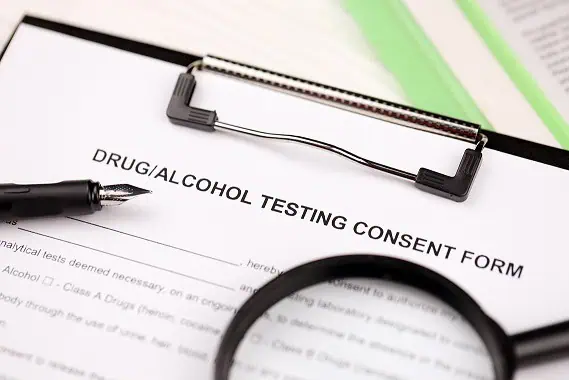
Drug testing in workplaces is an important safety measure taken in many Australian industries to prevent harm and manage risks. Under Australia’s Work Health and Safety (WHS) laws, it is the duty of employers to mitigate risks associated with alcohol and drugs. Drug tests are part of the Australian structured safety program. A positive drug test results in confirmatory testing and medical reviews. Both employers and employees need to understand the drug testing procedure and the guidelines to ensure a fair process and a safer working environment.
Key Takeaways
- Understand Your Rights: Employees have the right to accurate results, confirmatory testing, and to declare prescription medications.
- Testing Types and Scenarios: Workplace testing can include urine, saliva, hair, and breath tests, used for pre-employment, random, or post-incident screenings.
- Policy-Based Outcomes: Employers follow clear drug and alcohol policies; consequences range from counselling and temporary duty changes to disciplinary action or termination.
- Focus on Health and Support: Employees should seek EAP, counselling, or treatment services if needed and take proactive steps to maintain wellbeing and workplace safety.
Why do Employers Go For Workplace Drug Testing?
Drug testing in Australian workplaces ensures a safer and compliant environment, which is crucial for both employers and employees. High risk industries such as construction, mining, healthcare, and aviation undergo drug and alcohol testing regularly, including pre-employment and post incident testing.
However, under Australian Work Health and Safety (WHS) laws, employers don’t have the automatic right to conduct testing anytime. Instead, they can incorporate return to work drug and alcohol testing services as a reasonable way to provide a safer environment.
The main reasons employers are keen on drug and alcohol testing include the following.
- Employers consider it their obligation to spot any hazards, impairment risks, and prevent accidents.
- For employers, it is their duty to protect colleagues, clients and the public, especially in high-risk positions.
- A proactive approach reduces the likelihood of accidents.
- Regular drug and alcohol testing ensures compliance with Australian programs aligned with AS/NZS 4308 (urine testing) and AS/NZS 4760 (oral fluid testing).
What are the Different Types of Drug Tests in Australia?
The types of drug tests depend on the industry, workplace risks and the position you are holding. All testing must be performed at NATA-accredited labs to ensure compliance and quality.
- Employers may conduct pre-employment testing to feel confident about their new hires.
- Random testing is part of the workplace policies, especially in high-risk industries such as healthcare and aviation.
- Post-incident testing reduces the risks of impairment and offers support through EAPs, resulting in improved employee morale.
- Non-negative tests are sent to the accredited labs to confirm the results, ensuring fairness.
What Employees Should Know About Non Negatives vs Positive Results?
Understanding the difference between the non negative and positive results in protecting employees’ rights and improving workplace morale, ensuring the work environment remains safe and conducive.
If the initial screening test indicates the presence of drugs in the form of non-negative results, this does not confirm the drug use. It only results in triggering additional confirmatory testing from a NATA-accredited lab to verify the previous results.
Only after the lab detects the presence of drugs in the samples are the test results considered actionable professionally and legally.
What to Do If Your Drug Test Comes Positive?
The post incident drug and alcohol testing services procedure requires following these steps to guarantee accuracy and legal compliance.
- Employees need to stay calm and cooperate with their organisation.
- All workplace drug-related policies and procedures need to be followed to avoid further complications.
- Employees must declare any prescribed medications being used, in case of suspecting inaccurate results. A Medical Review Officer will check the details before finalising the decision.
- In case of non-negatives or positives, the procedure dictates further confirmatory testing to ensure fairness and accuracy.
What are the Possible Outcomes In Case of Positive Results?
Don’t expect any automatic penalty. Your employer’s drug and alcohol policy dictates the outcome in case of positive results. The outcomes apply to the pre employment drug and alcohol testing services, random or post incident testings, to ensure compliance with the Australian Drug Safety Laws. Employees may face the following risks:
- Temporary removal.
- Formal investigation.
- Access to Employee Assistance Programs (EAP).
- Disciplinary actions for repeated breaches of the company’s drug policy.
- Termination in case of serious issues.
Understanding Legal Complications Of a Failed Drug Test
The legal complications after a failed drug test depend on your role, the industry you are working in and your employer’s drug-related workplace policy. Understanding them helps employees protect their rights and ensure a safe and compliant workplace environment
- If you are working in a sensitive, high-risk position, such as in the healthcare, construction and mining industries, you may end up facing stricter repercussions for failing to meet the Work, Health and Safety obligations.
- Employers usually follow a fair procedure. Any disciplinary action is taken as a last resort. However, immediate dismissal after testing positive can be challenged under the Fair Work Act 2009.
- For employees with medical conditions taking prescription drugs, who can explain their positive results, legal protections exist.
What are the Employee Rights?
Under Australian law and the Drug & Alcohol Testing Services Act, employees must understand their rights to protect their reputation and employment. This also ensures that all drug & alcohol testing services are conducted fairly and legally.
- Employees can request confirmatory testing in case of a non-negative or positive.
- They are entitled to declare their prescription drugs to a Medical Review Officer.
- Employees have a right to receive accurate and confirmed results from a NATA-accredited laboratory.
- In line with privacy regulations, employees can request that all procedures, tests, and relevant information remain confidential.
What is a False Positive?
Even if you have not taken any drugs, there are chances that a false positive can occur. Some of the common reasons for this include:
- Your prescription medicines may be causing the false results.
- Some screen tests react to substances that are chemically similar to the drugs, triggering inaccurate findings.
- Always test from a NATA-accredited laboratory to confirm the results are accurate and legally defensible.
How to Resolve Drug Testing Issues?
Both employers and employees have a right to protect their position and rights while minimising the risks of false positives or any disputes regarding inaccurate results.
- Employees need to have a thorough understanding of the company’s culture and workplace drug policy to ensure safety. They must also declare their medical conditions and prescription drugs to the medical officer to protect and defend their position in case of non-negatives.
- Employers must enforce a clear, updated drug and alcohol policy and ensure all employees are aware of it. They must utilize NATA-accredited testing systems to ensure compliance with the Australian drug and alcohol safety regulations.
Moving Forward
Focus on your health and well-being if your results come back positive. Seek counselling and take advantage of employee assistance programs (EAP) to ensure you quickly bounce back to work life. Review your company’s drug-related policies in detail before resuming work. Taking responsibility and making positive lifestyle changes can result in far-reaching benefits.
EnviroForce offers NATA-accredited workplace drug testing services under ISO/IEC 17025, guaranteeing reliable results to help employers manage substance-related risks.
Frequently Asked Questions
Can Child Protective Services drug test?
Yes, a parent or career’s substance use can put a child at serious risk, allowing child protective services to request drug tests, which are usually court-ordered or agency-directed.
Can social services demand a drug test?
Specific situations demand drug testing by social services such as when assessing risks to children or checking the eligibility for certain support programs.
Can you refuse a drug test from social services?
Refusing drug testing can result in serious legal consequences and may trigger an investigation. Seek legal advice before refusal, especially in child protection cases.
What to do if an employee tests positive for drugs?
Confirm the initial results through a NAT-accredited laboratory, and discuss with the medical review officer. Follow the company’s policies and ensure temporary removal in case of high-risk positions. Document all details for legal compliance,
If an employee fails a drug test, is dismissal the right move?
Under Australian laws, employers do not have the right to automatic dismissal. Only after confirmatory testing through certified labs can they take any disciplinary actions. Immediate dismissal can be challenged by employees under the Fair Work Act 2009.
